

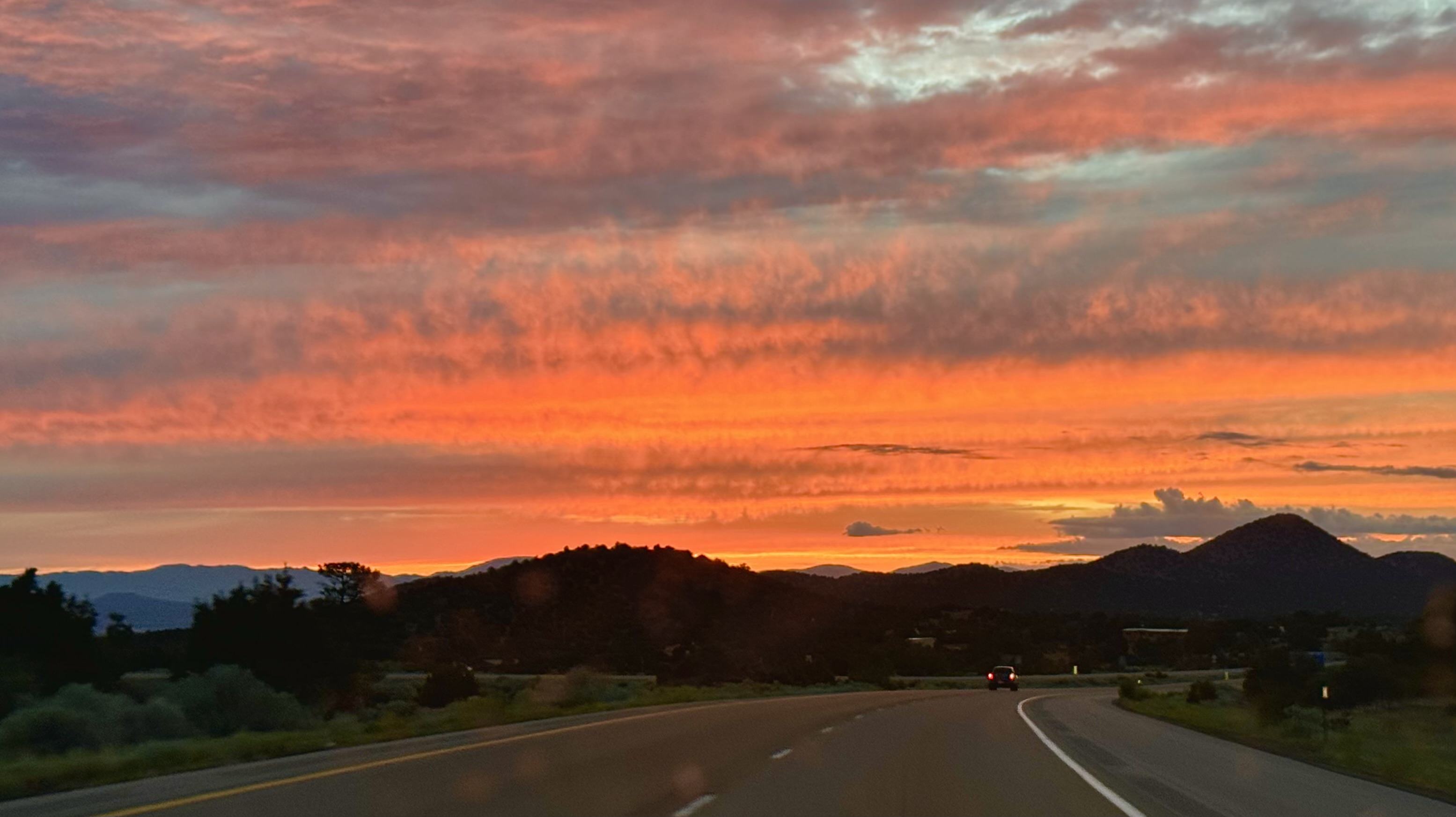
If you had to choose two things to characterize the high end of the residential real estate market in Santa Fe, it’s an easy call. The first is seasonality. Santa Fe (at 7,000 feet) gets just cold enough so that new home construction slows significantly during winter and other activities grow just a little more difficult, depending upon the severity of the winter. But that’s not really the driver.
It’s governed by the tourism flow. During the so-called shoulder months (October and November and April and May, roughly), tourism is lighter in Santa Fe and this carries through to residential listing activity. The market slows measurably during the winter (some might say it comes to a halt) and speeds up during the spring and summer. It tracks the tourism flow directly. By the end of August, when the maximum number of tourists are in town, activity peaks. November, on the other hand, can be dead: it’s too early for skiing (most years) and the markets are flat, with inventory low.
This isn’t just a contention of Walker’s; every real-estate type will second this, and it’s reflected in the data. The line graph below shows the average number of listings over $1.2 million over the past five years (starting in January 2019). The seasonality is evident (observe the troughs in the winter months). In cities such as Houston or Los Angeles, this is not the case; it is somewhat unusual.
Deep Annual Seasonality: Santa Fe’s Monthly Residential Listings over $1.2 Million, January 2019 to Present

A glance at the actual data (as opposed to a line graph of it) shows the same; listings contract in the winter and grow during summer.

Second-Home Purchases Are A Primary Driver
As the high end of Santa Fe real estate is defined by seasonality, so is it also defined by retirees and second-home buyers from within and without the state. At Sotheby’s, we track where our buyers come from, and aside from those who are moving from within New Mexico (52 for the year to date), we see very high numbers of buyers from Texas (40 for the year to date); Colorado has moved up quite a bit recently as the crowding on the Front Range drives people to seek relief (nine so far); California is the source of a high number of buyers (six); and Arizona tends to pitch in a few (two so far). New York residents purchase in Santa Fe at much lower rates versus 25 years ago and in fact, for the year we’ve seen none.

As these buyers filter into town during the summer for what is admittedly something of a parade of festivals, markets, and events, activity accelerates. This came a bit early this year, at least for Sotheby’s, and we saw a strong increase beginning in late May.
Much Quicker Sales During Summer Months
As more people come to town, markets heat up and homes sell more quickly. The chart below shows cumulative days on market for listings over $1.2 million. One can see that during the summer months, those numbers tend to be about half of their winter totals. When your faithful broker tells you the market is opening up, he or she also may intend you to understand that in the summer months, time is of the essence. Yes, high end markets move more slowly, but one can’t always take that for granted in the purchasing process. Often, things happen within a day.
Cumulative Days on Market, Santa Fe Listings over $1.2 Million,
12 Months Ended June 2024

It’s All Driven by Santa Fe’s Magic
In sum, Santa Fe markets are more complex than some, with seasonal and tourism-related factors governing the ebb and flow. Ultimately, our markets are driven by what a magical place Santa Fe is to be in, and that’s entirely predictable.
All data are sourced from the Santa Fe Association of Realtors’ Multiple Listing Service.


Leave a Reply